Sort By...
THURSDAY, NOVEMBER 6, 2025
Intimate Partner Violence: Health Care Providers’ Role
Intimate partner violence affects more women in the United States than breast cancer and diabetes combined. Health care providers can be a lifeline for survivors, yet many still struggle to know how to talk about it or where to begin.
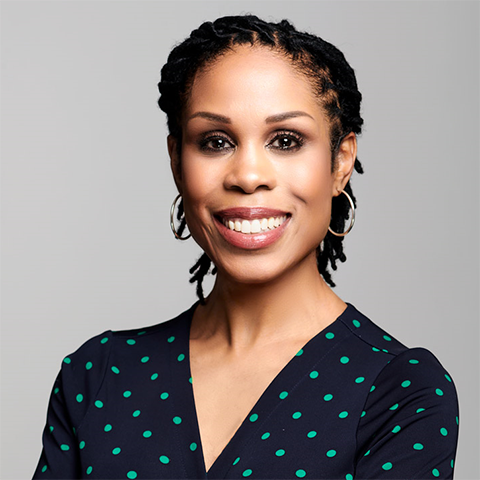
In this Conversations on Health Care episode, hosts Mark Masselli and Margaret Flinter speak with Virginia Duplessis, associate director at Futures Without Violence and director of the National Health Resource Center on Domestic Violence. Duplessis shares how health care professionals can take practical, compassionate steps to identify, prevent and respond to domestic violence.
“Violence is not an inevitable part of the human experience. We all have a unique and important role to play,” says Duplessis.
Her work helps providers use trauma-informed care to start conversations with all patients about relationship safety and well-being. Through Health Partners on IPV + Exploitation, Futures Without Violence is building partnerships that make these conversations part of routine care.
Duplessis also highlights how prevention can begin early, from school-based programs like Coaching Boys into Men. Pregnancy and postpartum care also give providers more opportunities to build trust and spot warning signs.
“We want every patient to leave feeling supported, listened to and connected to information about what’s available in the community if they choose to seek help,” she says.
Click for the full interview now and explore the resources on domestic and sexual violence, child abuse and more.
WEDNESDAY, AUGUST 27, 2025
Mayo Clinic Doctor Leads The Patient Revolution: Insights & Tools to Improve Health Care
Dr. Victor Montori, a Mayo Clinic endocrinologist, internationally recognized researcher, and author of “Why We Revolt,” joins hosts Mark Masselli and Margaret Flinter to talk about what it really means to fix a health care system that he believes has lost its way.
Montori leads The Patient Revolution, a global movement aiming to make health care more elegant with “no waste or haste, focused on the biology and biography of each person, responsive to each patient’s problems, and minimally disruptive, of patients’ lives and loves.”
For example, the initiative offers tools and materials they’ve developed over the last 18 years to support patients and clinicians. The Plan Your Conversation cards help patients think through what they’d like to share and “practice” a conversation they’d like to have with the clinician. The cards can be used for any condition or issue and in any care setting.
“Revolution is not about branding. It’s about turning away from the processing of people, and toward care,” Montori explains. He yearns for a return to “careful and kind care for all,” and for health systems to re-center themselves on the relationships that make healing possible.
Click to hear the full conversation.